

New DHS Rule: What F-1 Students Must Know About the Transition from D/S
- When is this rule being published?
The rule is scheduled to be published in the Federal Register on August 28, 2025. - How long is the public comment period?
DHS has set a 30-day comment period after publication. That means comments will close around late September 2025. - When could the rule actually become law?
If finalized without major delays, the rule could take effect as early as late 2025 or early 2026. Students should prepare now, but remember it is not final until DHS issues a Final Rule. - I’m already in the U.S. on F-1. Will I lose my status immediately?
No. You may remain until your current program end date on the I-20, or a maximum of four years from the rule’s effective date, whichever is sooner. - How long can I stay after my studies finish?
You get a 60-day grace period to leave, transfer, change status, or apply for an extension. - Do I need to apply for anything right away?
Not unless your I-20 end date or four-year cap is approaching soon. But you should be ready to file an Extension of Stay (EOS) if you need more time. - How will extensions work under the new system?
Your DSO can recommend a program extension, but only USCIS can grant your legal stay through an EOS. You’ll need to file Form I-539 (or its successor) with proof of finances and biometrics. - What if I’m on OPT or STEM OPT when the rule starts?
If you file within six months of the effective date, you don’t need a separate EOS. Your status is valid through the EAD expiration date plus 60 days. - What if my OPT or STEM OPT is pending when the rule begins?
You may stay while USCIS processes it. If approved, you remain until the EAD expiration plus 60 days. - What if my OPT or STEM OPT gets denied?
You can stay until the program end date on your I-20, plus 60 days, as long as you’re still maintaining F-1 status. - What if I travel abroad and return after the rule is in place?
You’ll be admitted with a fixed end date instead of “D/S.” If you had a pending EOS, it may be considered abandoned if your new I-20 shows a later program date. - What happens if I stay beyond my fixed date or grace period?
You begin accruing unlawful presence the next day, which can trigger a 3-year or 10-year bar on returning to the U.S. - Will this affect students already enrolled in Ph.D. or long programs?
Yes. You can only be admitted for up to 4 years at a time. If your program takes longer, you must apply for an EOS. - What about language training students?
The rule limits F-1 language study to 24 months total, including breaks and vacations. - Can I still transfer schools or change programs easily?
No. You must complete at least one academic year before transferring. Graduate students will not be able to change programs mid-course. - Why is DHS making this change?
DHS argues that D/S allows people to stay indefinitely, creates fraud risks (like “pay-to-stay” schools), and limits security oversight. Fixed dates give officers more chances to check compliance.
By: Rahul Reddy
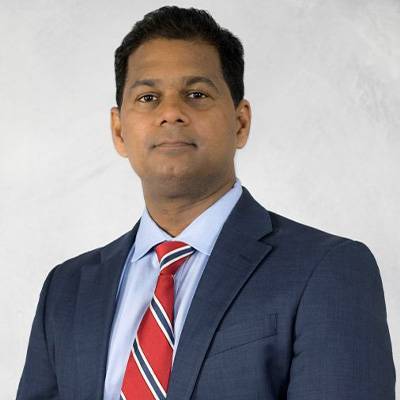
Rahul Reddy is the founding partner of Reddy Neumann Brown PC. He founded our firm in 1997 and has over 28 years of experience practicing employment-based immigration. Rahul‘s vast knowledge of the complex immigration system makes him an invaluable resource and an expert in the field. His personal experience with the immigration system has made him empathetic to each of his clients’ cases and empowered him to help others achieve the American Dream.