
Trump Travel Ban Reversal for Doctors: How U.S. Immigration Policy Shift Addresses the Physician Shortage Crisis
The Trump administration has discreetly reversed a significant aspect of its recent immigration enforcement, creating an exemption for foreign doctors from nations impacted by the broadened travel restrictions—an action that highlights both the urgency of the physician shortage in the U.S. and the practical limitations of extensive immigration regulations.
Following weeks of increasing pressure from hospitals, medical organizations, and lawmakers, U.S. immigration officials clarified that physicians would no longer face the visa processing “hold” that had effectively stalled applications for numerous individuals from designated countries. Although this decision was not formally publicized in a prominent manner, it signifies a notable policy change: doctors are now able to move forward with visa renewals, work authorizations, and green card processing, enabling them to continue their practice in the United States without disruption.
This reversal is broadly perceived as a direct reaction to the escalating pressure on the U.S. healthcare system. Foreign-trained physicians play a crucial role in filling care gaps, especially in rural and underserved areas. In certain locales, they are not just contributors but the foundation of the healthcare workforce. By removing the processing freeze for doctors, the administration aims to stabilize a system that had begun to exhibit clear signs of strain, including staffing shortages, delayed care, and the potential for facility closures in at-risk regions. This action implicitly recognizes that limiting access to this talent pool poses immediate and potentially severe risks to public health.
The importance of the reversal becomes more apparent when considered in relation to the original policy. Earlier in 2026, the administration broadened its travel ban framework, targeting nationals from numerous countries with a mix of full and partial entry restrictions. These actions were part of a wider effort to tighten immigration enforcement, justified by national security concerns. However, the policy extended beyond merely restricting entry at the border. Through administrative measures, U.S. Citizenship and Immigration Services effectively halted the processing of immigration benefits—including visa renewals and employment authorizations—for individuals from the affected nations. This resulted in a cascading impact, affecting not only those attempting to enter the United States but also those already residing and working within its borders.
For foreign doctors, the repercussions were both immediate and severe. Many had undergone years of intensive training in U.S. residency programs and were fulfilling essential roles in hospitals and clinics. Suddenly, they found themselves unable to renew their visas or obtain continued work authorization. In certain instances, physicians were compelled to cease working entirely due to expiring documentation, even as the demand for patients remained high. This situation created a glaring contradiction: while the nation faced a well-documented shortage of physicians, qualified doctors were being sidelined by administrative obstacles.
The ripple effects reached far beyond individual practitioners.
Hospitals—particularly those located in rural regions—began to experience the consequences almost immediately. These institutions frequently depend on international medical graduates to sustain essential levels of care. As the processing of visas slowed or came to a standstill, staffing shortages grew, exerting further strain on already overwhelmed systems. Patients in underserved areas encountered longer wait times, diminished access to specialists, and, in some instances, the potential loss of local healthcare services entirely. Consequently, the policy transformed what had been a persistent workforce issue into a pressing crisis.
Simultaneously, the legal underpinnings of the policy faced challenges. Detractors contended that the nationality-based suspension of immigration processing surpassed the authority permitted under current law and contravened principles enshrined in the Immigration and Nationality Act. A ruling from a federal court lent credence to these apprehensions, determining that the administration’s strategy—especially the use of nationality as a detrimental factor in adjudications—was likely unlawful. This judicial opposition intensified pressure on the administration to reassess elements of the policy, particularly those with extensive domestic ramifications.
However, the healthcare ramifications emerged as the most immediate impetus for change. The United States has historically depended on foreign-born physicians to address critical shortages in its healthcare system. In specific specialties and geographic areas, they constitute a disproportionately significant portion of the workforce. The broadened travel restrictions disrupted this pipeline at various stages—hindering new doctors from entering the nation, delaying the transition of residents into permanent positions, and threatening the status of practicing physicians. As these disruptions mounted, the risks to patient care became increasingly challenging to overlook.
The choice to exempt physicians from the visa hold can thus be interpreted as both a practical modification and an implicit recognition of a policy error. By reinstating processing for doctors, the administration has made progress toward easing the immediate strains on the healthcare system. Hospitals are able to keep their personnel, patients can continue to receive treatment, and new doctors can join the workforce to tackle persistent shortages. In this regard, the reversal acts as a focused intervention designed to avert further decline in a vital sector.
Nevertheless, the selective aspect of the exemption prompts significant inquiries. While physicians have received relief, numerous other skilled workers from the same nations still face the initial restrictions. This results in a fragmented system where access to immigration benefits is heavily influenced by occupation, revealing inconsistencies in the application of the policy. Detractors contend that this method highlights the randomness of the wider restrictions: if the justification for limiting immigration is based on security, creating exceptions for specific professions implies that economic and societal demands are being prioritized more significantly in practice.
Furthermore, the discreet way in which the reversal was enacted illustrates a broader trend in the administration’s policymaking approach. Instead of making a formal declaration or public acknowledgment, the change was conveyed through revised guidance, enabling the administration to tackle an urgent issue without overtly stepping back from its overall position on immigration. This tactic may assist in preserving political consistency, but it also restricts transparency and leaves those affected to navigate a shifting policy environment with minimal clarity.
Despite the existing exemption, challenges persist. The previous processing freeze has resulted in backlogs that will require time to address, and numerous physicians still encounter uncertainty regarding their long-term status. Furthermore, the wider travel restrictions remain applicable to other immigrant categories, indicating that the fundamental tensions between enforcement and economic necessity have not been entirely resolved. The healthcare exemption addresses one aspect of the policy’s impact but does not rectify the structural problems it has highlighted.
In conclusion, the sequence of events—from the implementation of extensive restrictions to the specific reversal for physicians—demonstrates the intricate relationship between immigration policy and national priorities. The initial measures signified a dedication to strict controls, yet their unintended outcomes exposed the limitations of such an approach within a highly specialized and interconnected economy. The reversal, while noteworthy, serves as a reminder that effective policymaking frequently necessitates a balance of competing objectives, including security, economic stability, and public welfare.
For the U.S. healthcare system, the stakes are exceedingly high. The capacity to attract and retain skilled physicians is crucial for addressing the needs of a growing and aging population. Immigration policy is pivotal in shaping this capability, and disruptions to the influx of talent can yield immediate and extensive repercussions. By exempting physicians from the visa hold, the administration has recognized this reality, even as it continues to implement broader restrictions in other domains.
Ultimately, the episode acts as a case study illustrating the unforeseen repercussions of policy choices and the need for adjustments. It emphasizes the significance of aligning immigration policies with the actual requirements of essential sectors and highlights the dangers of enacting sweeping measures without thoroughly considering their subsequent impacts. For international medical professionals and the communities they support, the reversal provides some relief; however, it also raises unresolved questions regarding the future trajectory of U.S. immigration policy and its capacity to respond to the challenges of a complex and changing environment.
By: Karim Jivani
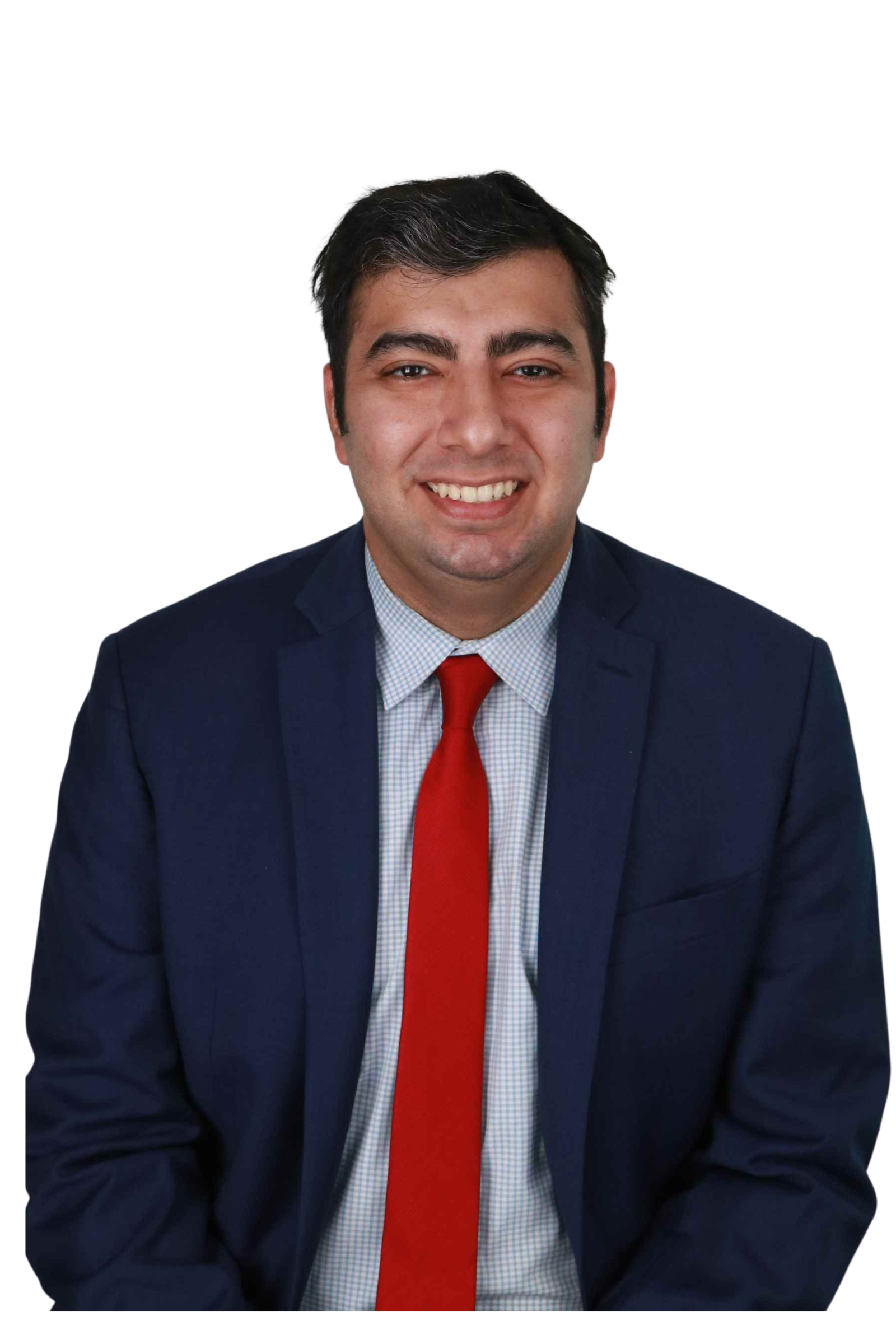
Karim Jivani is an Associate Attorney at Reddy Neumann Brown PC who focuses on employment-based non-immigrant visas. Karim’s practice covers all phases of the EB-1A and EB-2 NIW visa process including filing petitions, responding to Requests for Evidence (RFE), and drafting motions and appeals. Karim has also worked on all aspects of H-1B, L-1, I-140, and VAWA petitions.